We solve every challenge
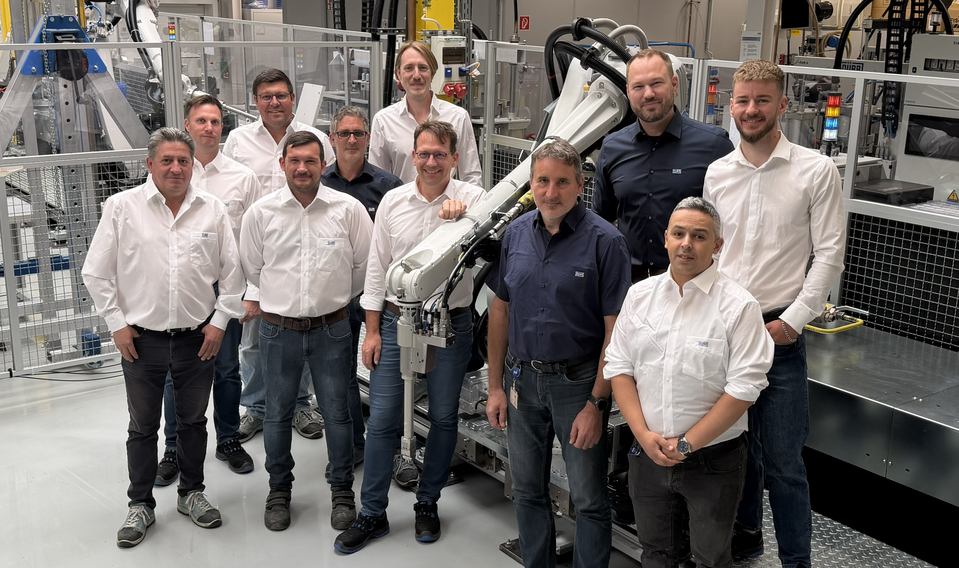
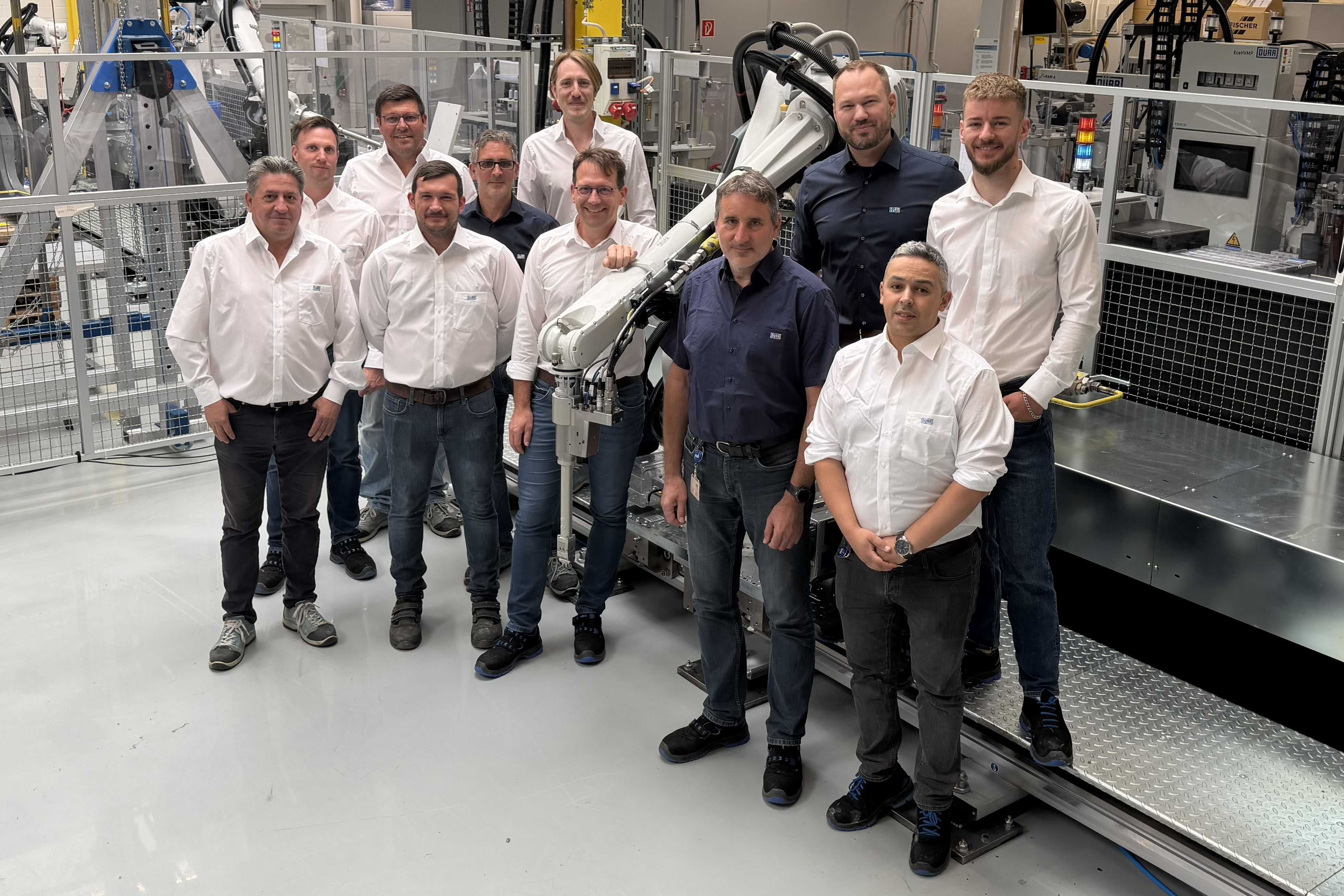
But how did this happen? Martin Wolf leads a team of specialists for High Viscosity Applications (HVA) at Dürr, internally known as the Opti-Team, which is responsible for sealing processes and adhesive applications. Just a short while ago, he was on the job in the warm climate of southern China. A few hours later, he finds himself in wintery northern China, dressed in clothing that was anything but appropriate for the weather but fully prepared to tackle the task at hand. Spontaneous changes of location like this are part of the job and do happen from time to time. Especially during the project phase, the HVA experts support complex applications and assist colleagues on site with their process expertise. At times like these, it is not about perfect planning, but about finding quick solutions, wherever in the world they are needed.
Over a quiet cup of coffee at the Dürr campus in Bietigheim, Martin Wolf explains how the collaboration between the specialists, the project management team, and on-site colleagues works: “Every project is assigned a dedicated mentor from the HVA division,” he explains. “These mentors are the experts for their respective projects, conduct preliminary tests, are available to answer questions, and, when needed, provide on-site support.” This role demands a high level of technical excellence, flexibility, and a deep understanding of the respective customer’s requirements. Specialized process training at customer sites is also part of the job. To meet these demands, team members work at the highest technical level.
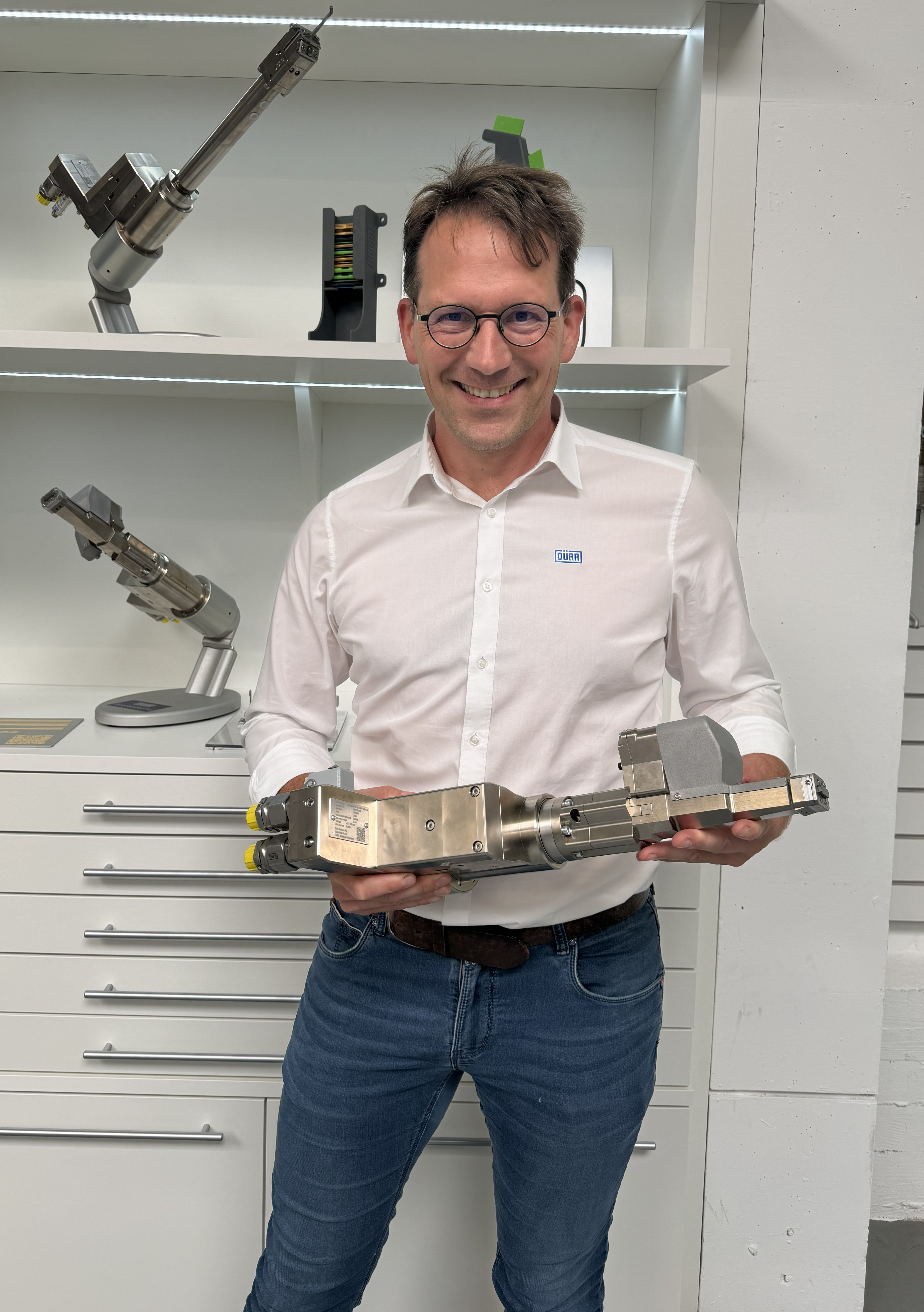
Every project begins with preliminary testing, including nozzle trials and process validation. Under conditions that are as realistic as possible, program sequences are tested, process parameters are determined, fine-tuned, discarded, and reimagined. The results are carefully documented and presented in detail to the customer after consultation with colleagues from the Offline Programming & Robot Concepts department (ASS Team) and the respective project manager. “Ideally, the customer gives the go-ahead after the tests. Then the project can start,” explains Martin. On the construction site, the programs developed during the preliminary tests in collaboration with the Offline Programming & Robot Concepts team are then put into use. “Ideally, everything works right away. Sometimes there’s a glitch, and then we have to find a solution on-site together with our construction site colleagues. The robot teachers then, for example, readjust individual parameters that weren’t known beforehand or implement subsequent customer requests.”
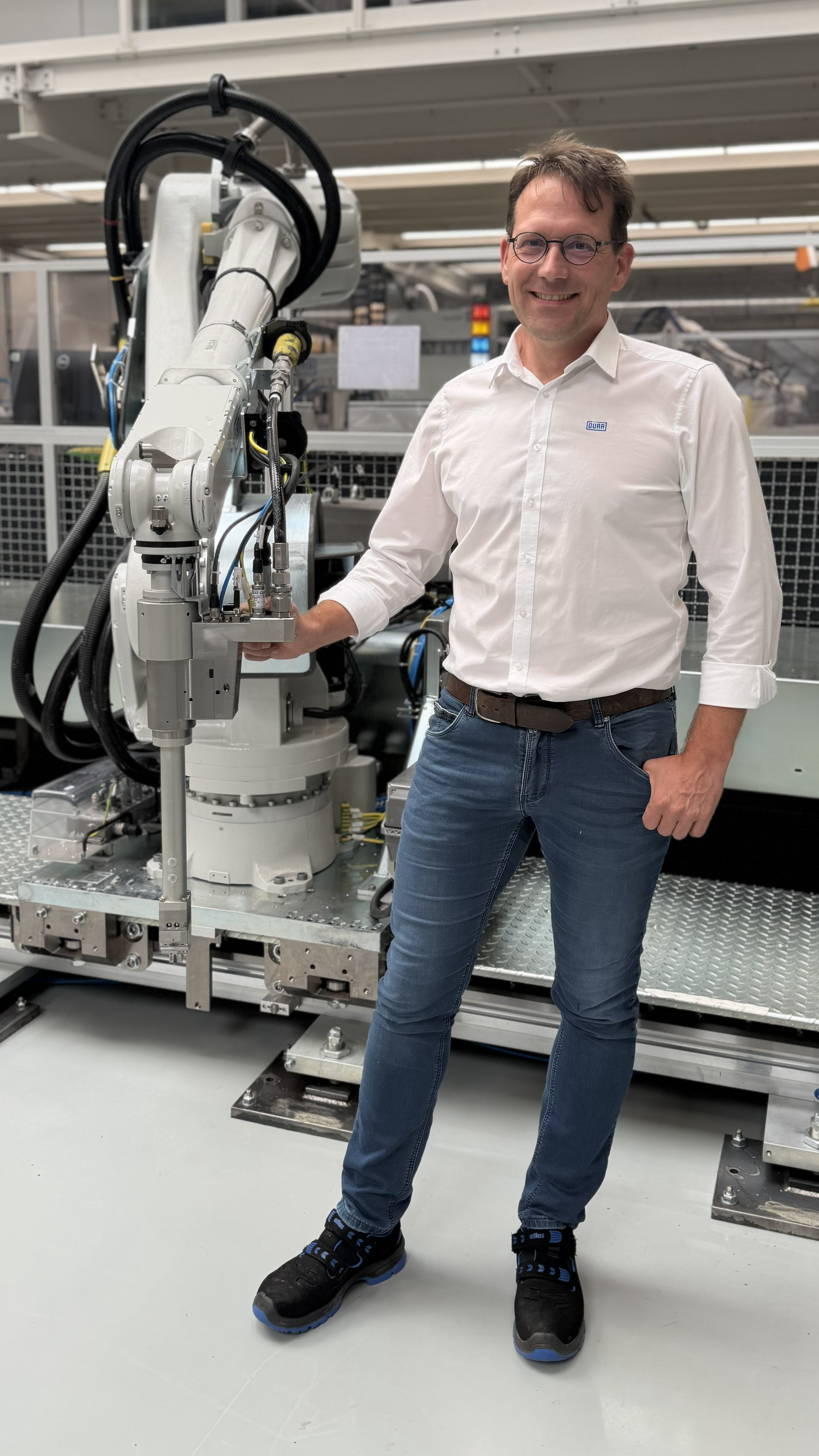
To prevent unexpected difficulties from arising in the first place, Dürr relies on close collaboration between project teams, specialists, and its global service network. Throughout the project phase and up to final acceptance, specialists support their colleagues on-site with complex process issues and provide guidance during commissioning with their application expertise. After plant acceptance, responsibility is typically handed over to Dürr Service. Customers can rely on expert support at any time, whether through the service hotline or local service team. Only in special cases—when a challenge requires specific process knowledge—are experts brought in after final acceptance.
The specialists are particularly called upon when project requirements change, and existing processes need to be reassessed. “It can easily take six months from the first trial to commissioning,” Martin notes. “During this time, customers often decide to use a different material than the one originally tested. We have to respond to that.” This is precisely where the strength of the HVA's specialists lies: thinking flexibly, responding quickly, and delivering solutions that work.
The team’s assignments aren’t just about resolving immediate issues. The goal is to stabilize workflows, improve application quality, and get the most out of a system. The scope of these assignments can vary. Some problems can be solved over the phone or via Teams. In other cases, the Dürr experts have to travel to the customer as quickly as possible, especially when a line is down.
“Then we have to move fast,” Martin emphasizes. “Our assignments often require a high degree of flexibility and spontaneity. In most cases, we only have one or two days’ notice before we’re on-site with the customer.” Martin knows from personal experience that this spontaneity sometimes requires logistical feats. He describes one of his most chaotic trips as follows: “At eleven in the morning, I was in a meeting with our project manager from Brazil, during which it became clear that I had to get to him as soon as possible. An hour later, my ticket was booked for a flight that same evening from Frankfurt to Brazil,” he reports. But Martin was horrified to discover that his passport wasn’t valid for long enough. So he rushed to city hall at the last minute to apply for an express passport. “Because of the unplanned stop, I didn’t have time to pack my suitcase. My wife took care of that part,” he recalls with a laugh. Once he got home, he grabbed his suitcase without even looking inside and headed straight to the airport.
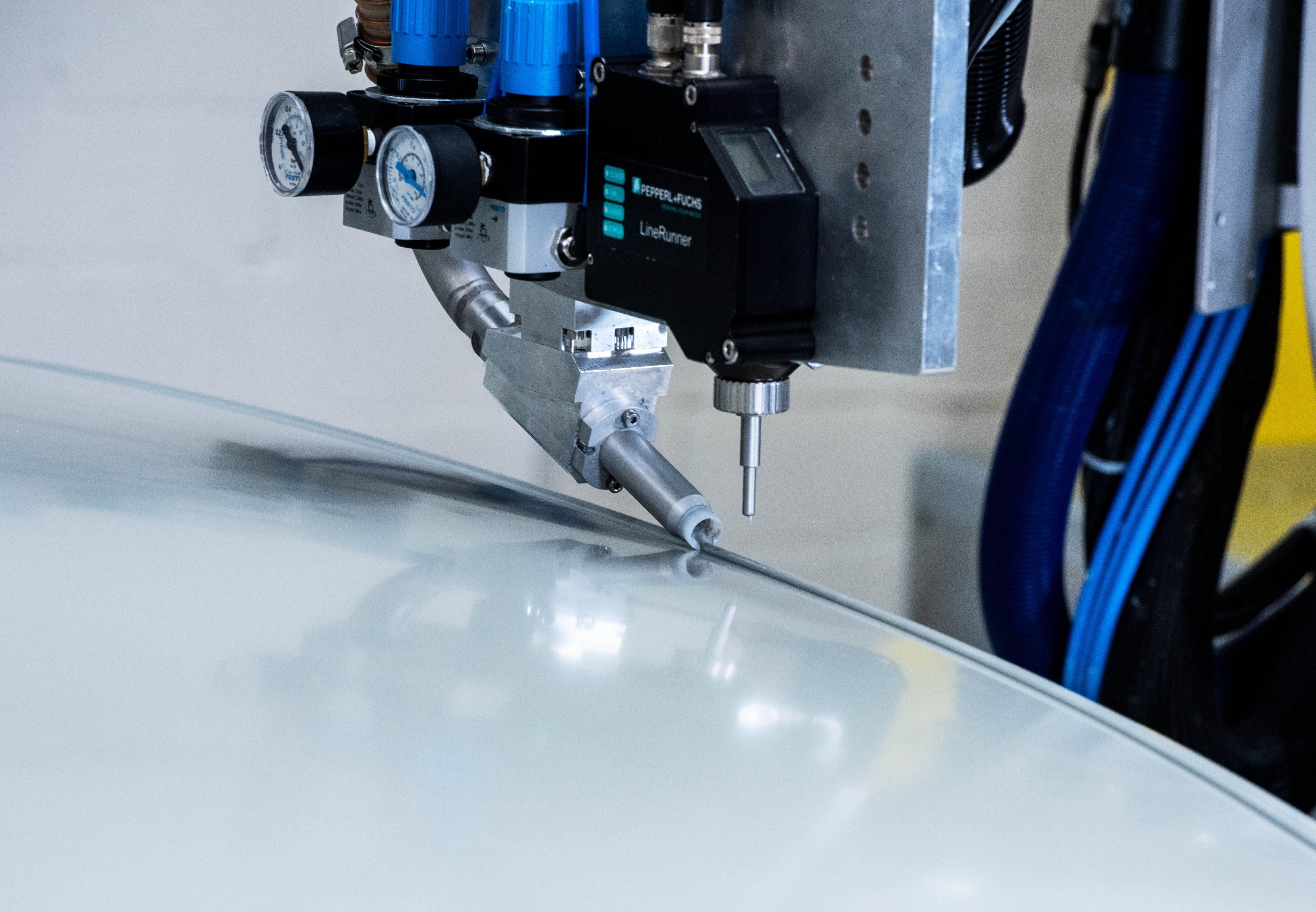
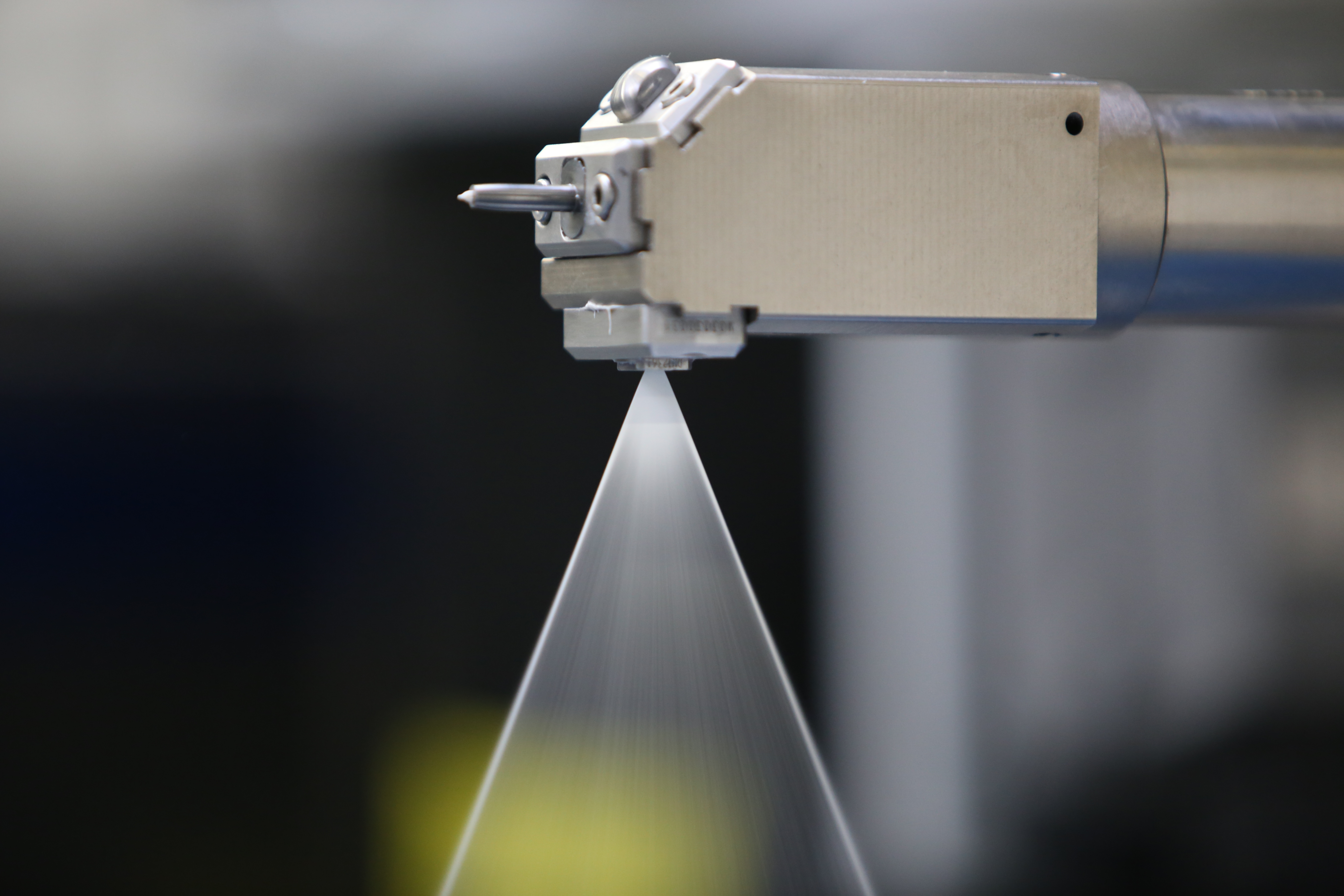
Another experience that has stayed with him particularly well shows that such spontaneous assignments are not uncommon. “I remember it very clearly; it was at our team Christmas party,” he says with a smile. The team was just enjoying their evening together when the phone rang. On the other end was a customer with an urgent problem: the production line near Dürr’s headquarters had been at a standstill all day. After an initial assessment by Dürr Service, it was clear that immediate on-site support was needed. Two colleagues set out right away to pick up the cleanroom suit, the tool, and the safety boots, and then they continued on to the customer’s site. With the support of the Opti team, the issue was resolved on site in just ten minutes.
Every assignment ultimately comes down to one thing: giving the customer peace of mind.
“It’s important to radiate calm and build trust,” explains Martin. Because in addition to technical know-how, the Opti team relies heavily on strong interpersonal skills. The atmosphere on the job site can vary widely—from tense to nervous, from hectic to frustrated. It is precisely in such moments that it matters to be present and demonstrate reliability. To ensure customers always feel well taken care of, the Opti team is available around the clock. “We are available either through our hotline or directly via our personal phone numbers,” he reports.
In the end, it doesn’t matter whether it’s the summer heat in southern China or the freezing cold in the north: what matters is the shared goal. “What’s most important to us is that our systems perform reliably and that our customers are satisfied.” And that is exactly what makes the HVA specialists an integral part of the global Dürr network– whenever specialized process expertise is needed.
FURTHER RELATED
ARTICLES

Join our team
Expert/Project Manager Construction Coordination (m/w/d)

-
IN THEFRAME
 3 questions with
Sebastian Jochum
Product manager gluing technology
-
IN THEFRAME
 3 questions with
Sven Lumma
Product Manager Special Paint Supply Systems