No one ever sees a sealed seam. But if it is missing or not exactly where it needs to be, the consequences quickly become apparent. Corrosion, stone chips, unwanted noise, or a shorter component life: many aspects of vehicle quality depend on a process that remains invisible to most people.
“Good sealing today is about much more than simply applying material,” says Martin Wurst, Product Manager at Dürr. “It plays an important role in corrosion protection, acoustics, safety, and overall vehicle quality.” And that is precisely why the demands on sealing processes are changing fundamentally. New vehicle platforms, different material combinations, and an increasing number of variants are turning a long-established production step into an increasingly complex challenge.
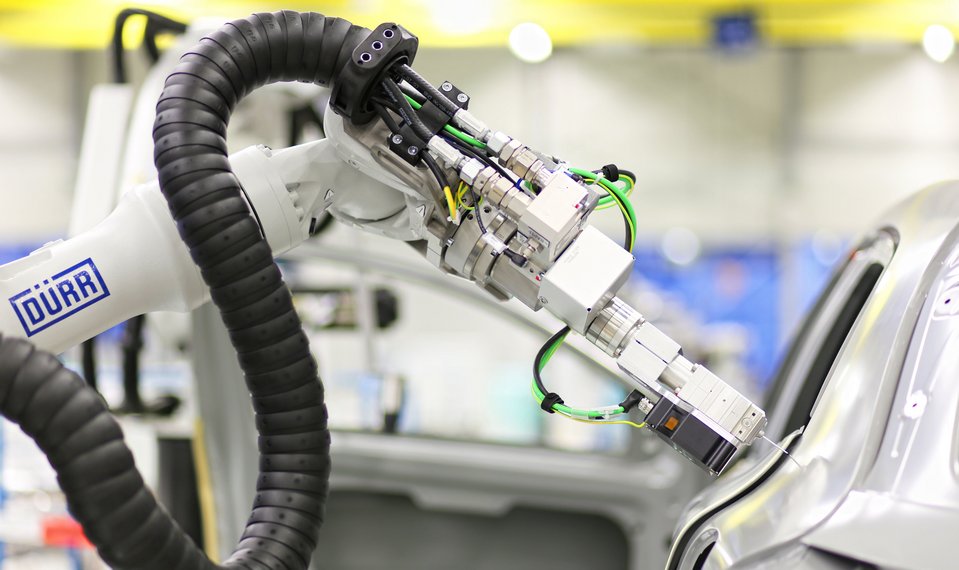
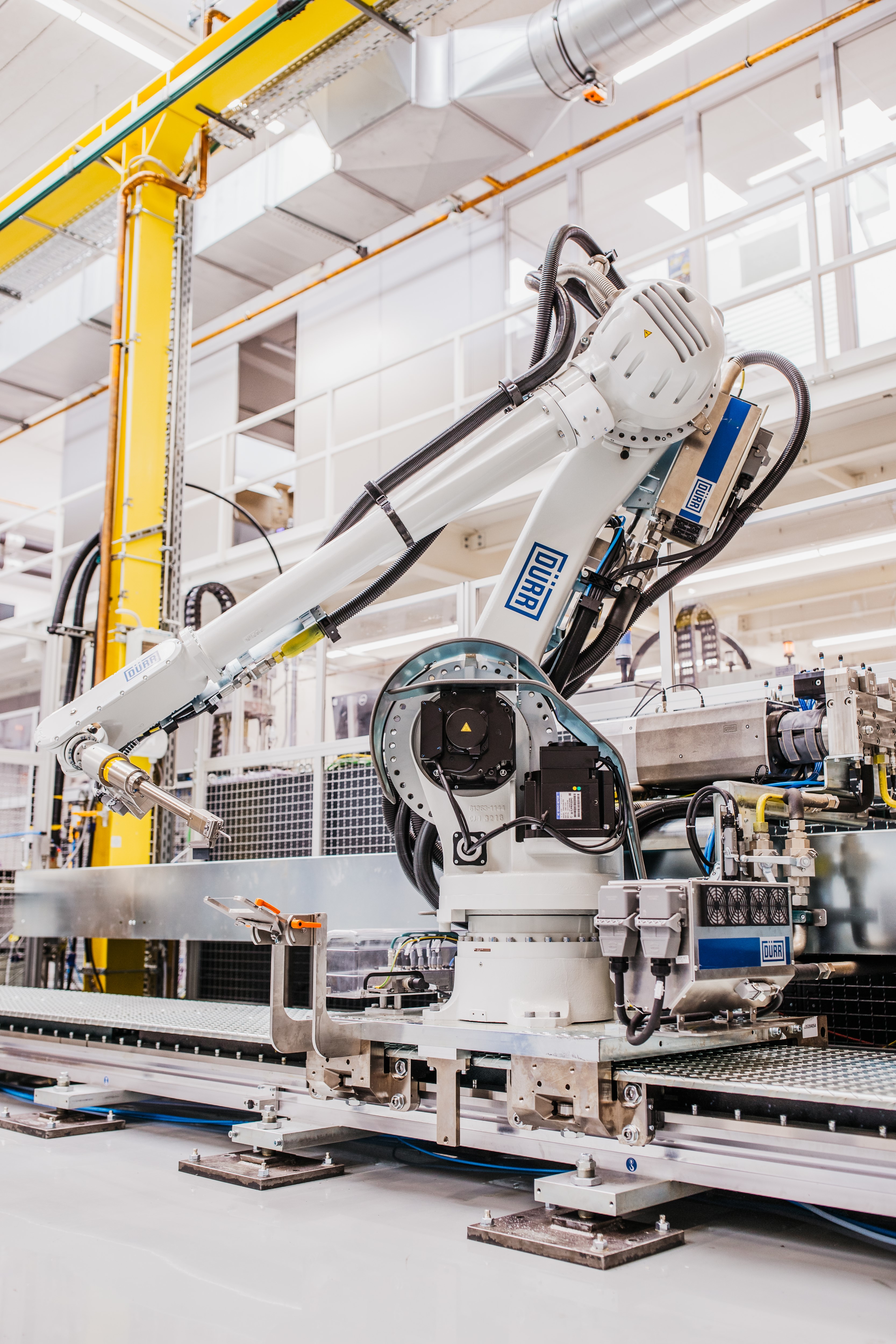
The EcoRS N20i with EcoSealJet Pro and lane correction sensor.
Why sealing is more demanding than it was ten years ago
The automotive production landscape has changed significantly. Automakers now produce more variants, use different platforms, and launch new models at shorter intervals. “Sealing processes have to accommodate different body shapes, materials, and production concepts while meeting tighter tolerances than in the past,” explains Martin Wurst. The challenge is no longer simply to apply a sealed seam. The real challenge is to do it precisely, economically, and repeatably across a wide variety of vehicles.
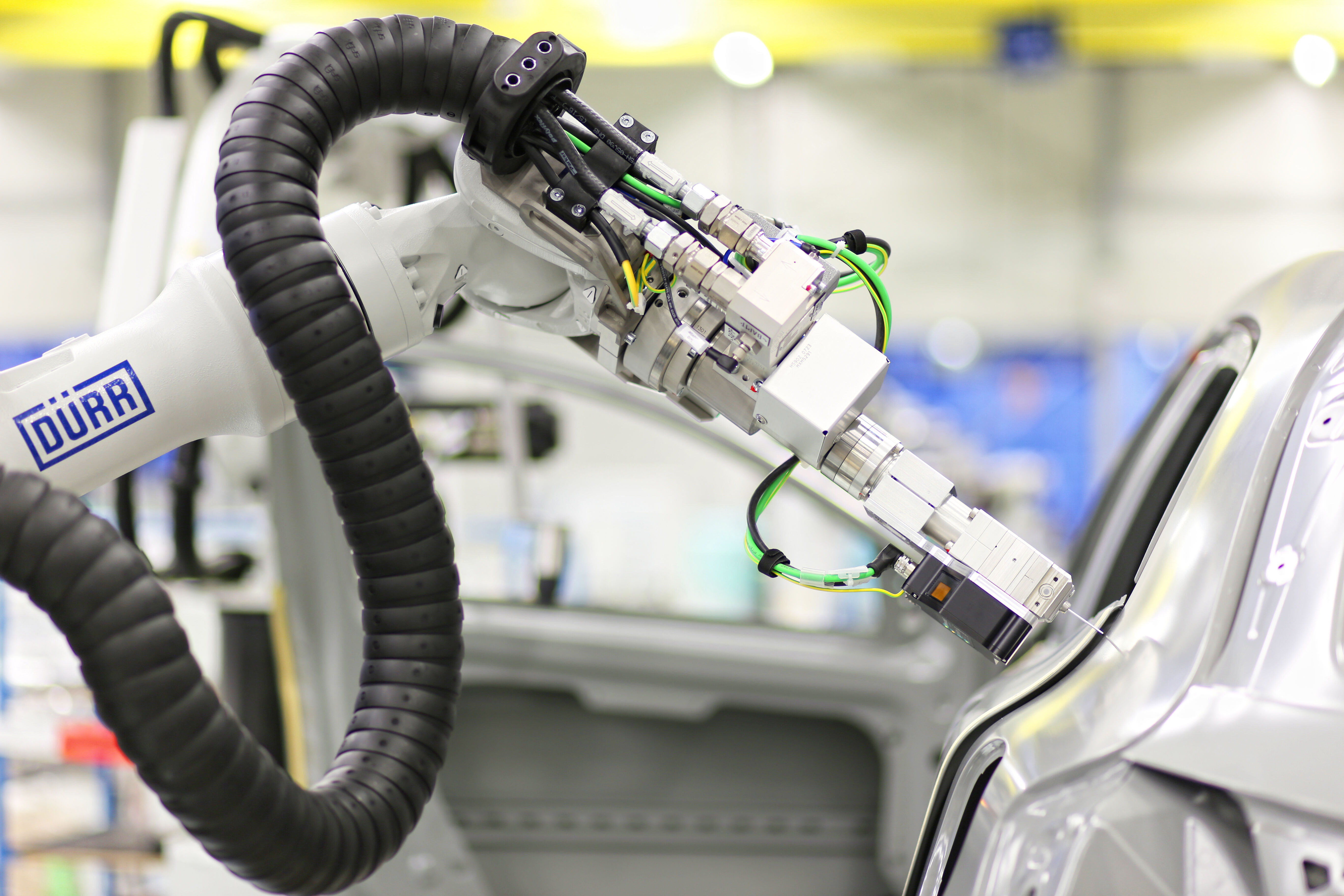
The EcoSealJet Pro allows PVC material to be applied using controllable individual nozzles.
When precision determines quality
Precision is especially critical for visible seams and seams with a functional purpose. Material application, application speed, and robot movement have to work together perfectly. Even minor deviations can lead to rework and compromise quality. At the same time, automakers expect production lines to adapt flexibly to new vehicle models. This makes sealing a discipline in which precision and flexibility are equally important.
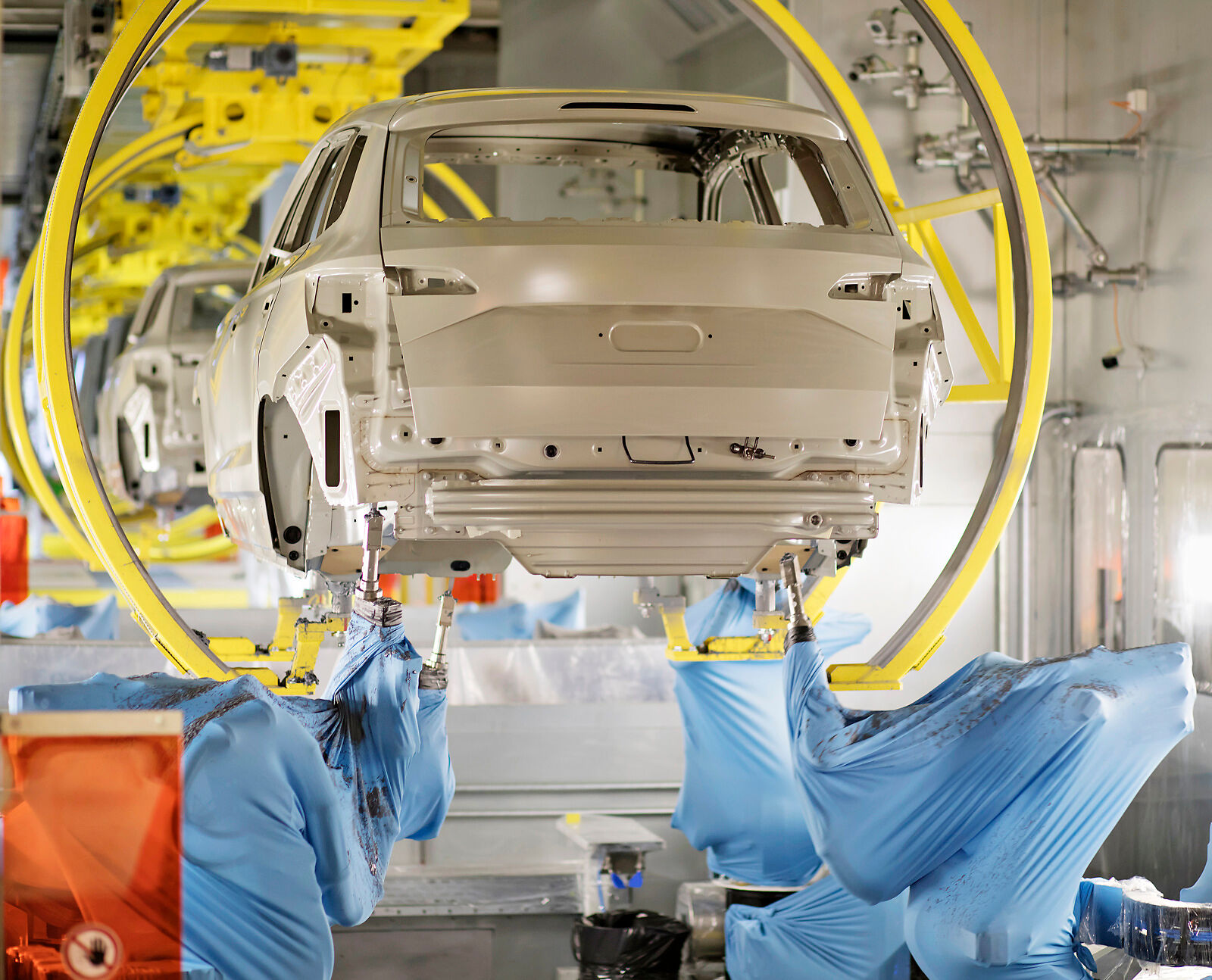
Underbody coatings protect the vehicle body from corrosion and stone chips.
The new art of reducing complexity
The industry’s response to these developments is surprisingly simple: reduce the variety of systems used in production. “Customers want fewer robot variants to make planning, operation, and service more efficient,” says Martin Wurst. “Reducing complexity means higher availability and less effort throughout the entire system life cycle.” Standardized platforms are therefore becoming increasingly important. They make it possible to cover different applications with fewer system variants while also reducing the effort required for maintenance, service, and training.
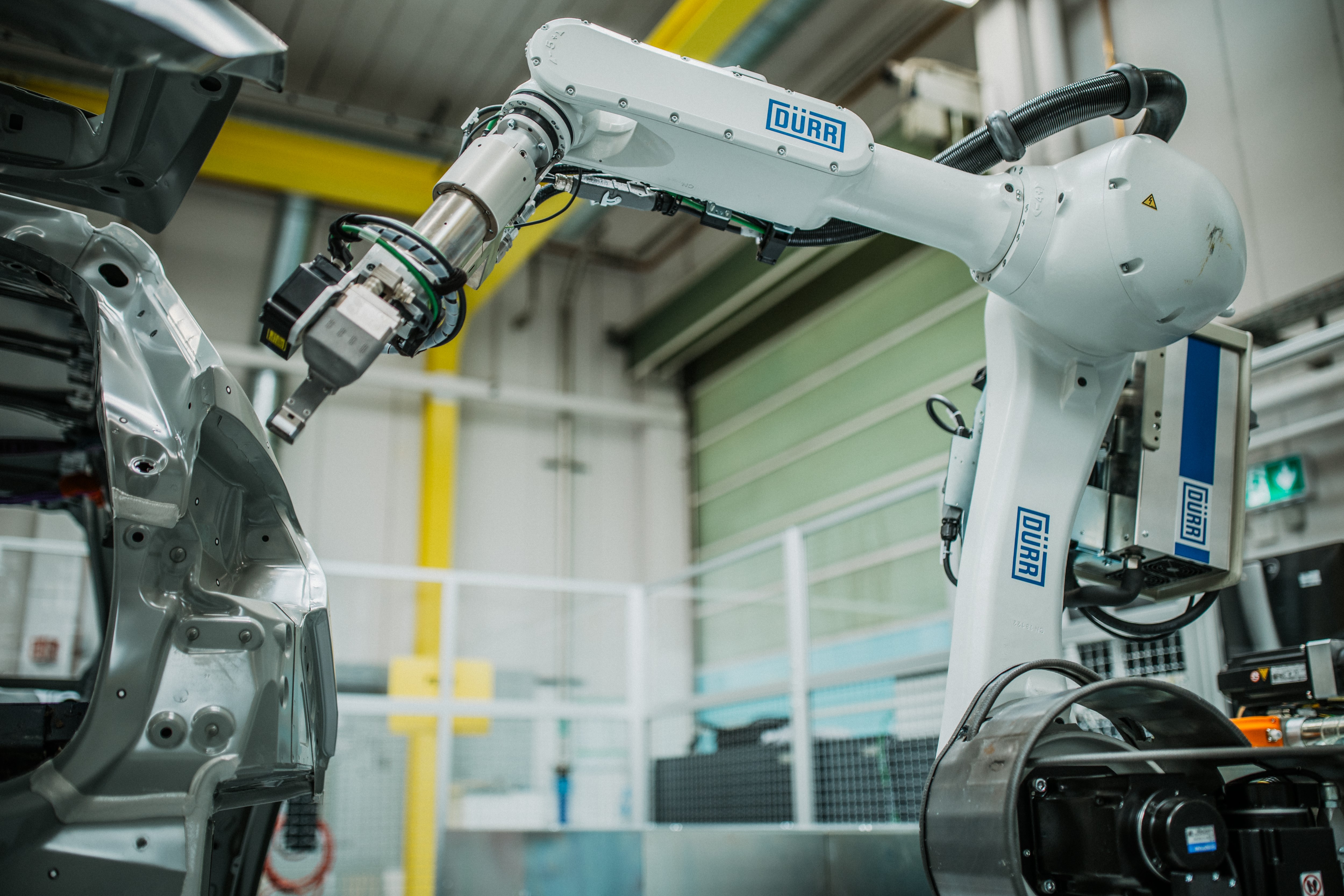
The EcoRS L15i with a skiving tool automates the previously manual task of skiving sealing material.
How robotics is responding to new demands
Against this backdrop, Dürr developed the new EcoRS Generation 2. Designed specifically for paint shop applications, the platform includes two robot models for different payload and reach requirements. An expanded working envelope for sealing applications provides greater flexibility for different vehicle models. At the same time, the coordinated interaction of robotics, controls, and application technology, combined with integration into Dürr’s control and software environment, ensures stable processes and high repeatability. The new robot generation is a good example of where sealing is headed: away from specialized standalone solutions and toward integrated platforms that combine quality, flexibility, and cost efficiency.
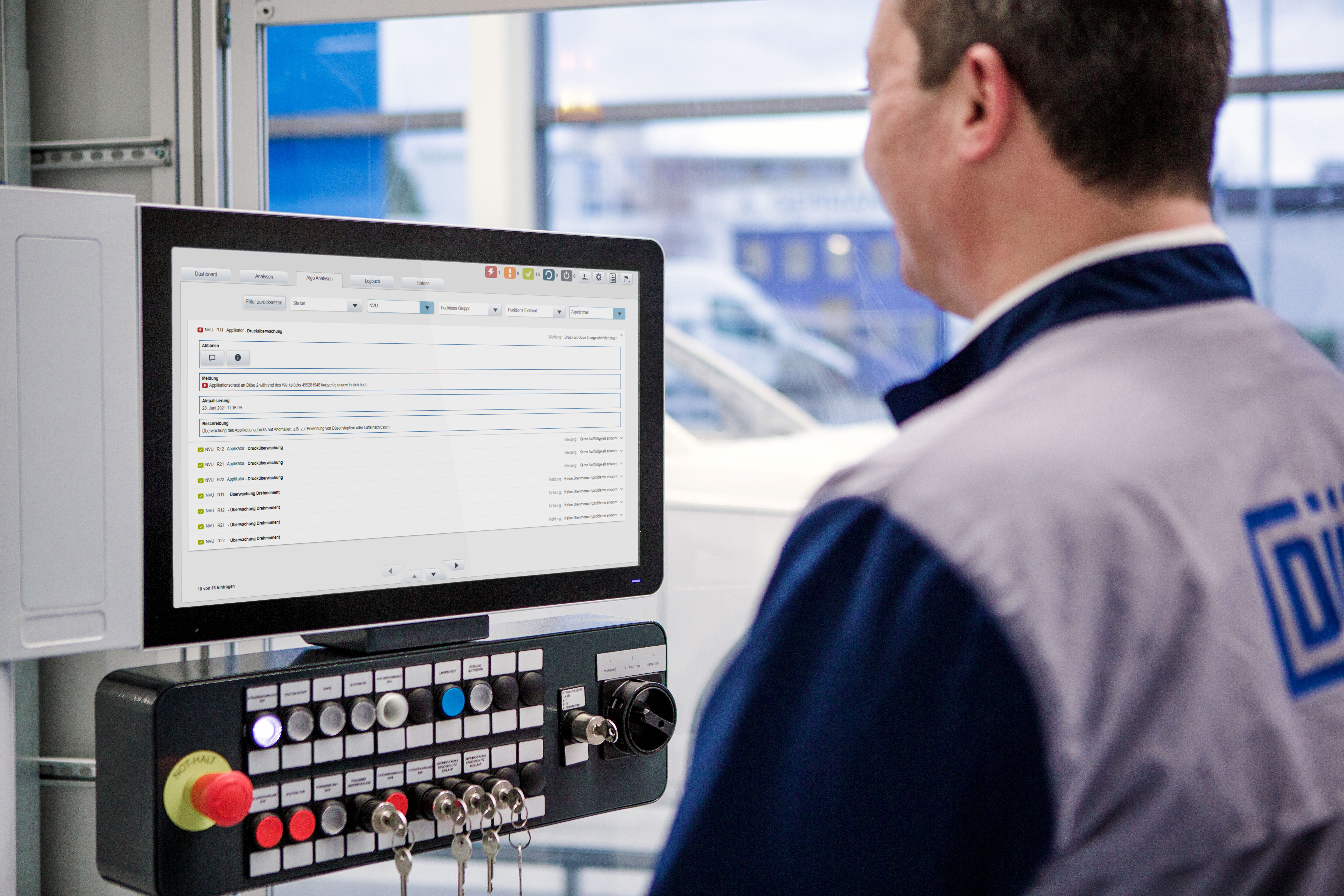
In addition to precision, data is also becoming an important factor in sealing.
Data becomes a key success factor
Alongside precision, another factor is becoming increasingly important: data. Modern production systems provide real-time information about processes and equipment status. This makes it possible to identify optimization potential, detect quality deviations at an early stage, and plan maintenance more effectively. Robotics is evolving from a pure automation tool into a connected part of the digital factory.
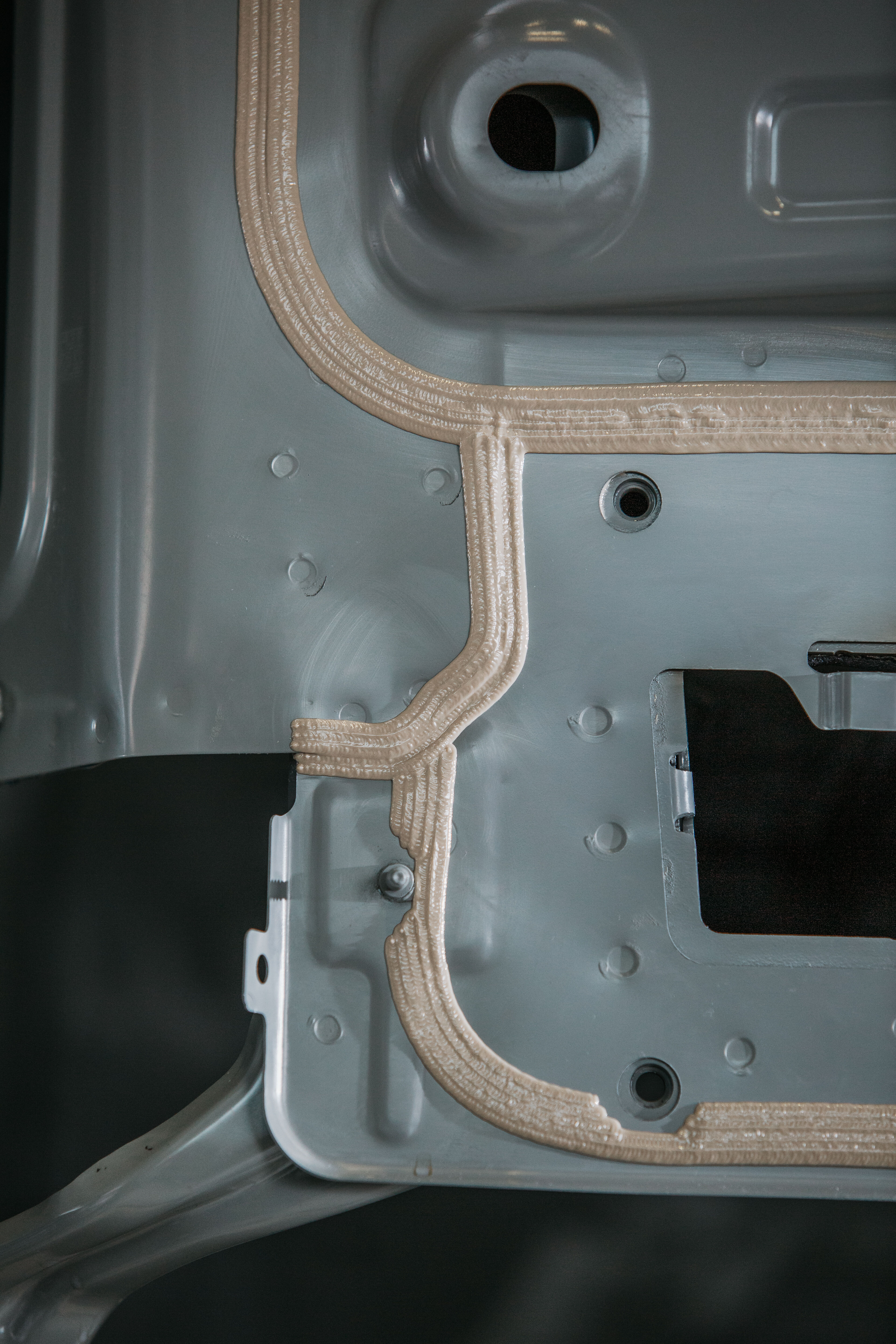
The standard for door seams is "visually perfect."
Invisible, but indispensable
Sealing will probably never attract much attention from car buyers. The best sealed seams are the ones no one notices. For automakers, however, the process has long been a crucial factor in quality, flexibility, and cost efficiency. The future of vehicle production is therefore not determined solely by major, highly visible innovations. Sometimes, it starts with a seam that no one will ever see.
We use cookies, similar technologies and tracking services
This website uses cookies, similar technologies and tracking services (hereinafter referred to as “Cookies”). We need your consent for Cookies, which not only serve to technically display our website, but also to enable the best possible use of our website and to improve it based on your user behavior, or to present content and marketing aligned with your interests. For these purposes, we cooperate with third-party providers (e.g. Salesforce, LinkedIn, Google, Microsoft, Piwik PRO). Through these partners you can also receive advertisements on other websites.
If you consent, you also accept certain subsequent processing of your personal data (e.g. storage of your IP address in profiles) and that our partners may transfer your data to the United States and, if applicable, to further countries. Such transfer involves the risk that authorities may access the data and that your rights may not be enforceable. Please select which Cookies we may use under ”Settings”. More information, particularly about your rights, e.g. to withdraw consent, is available in our Privacy Policy .