Electrification with Dürr
Good reasons to shift from gas to electric heating
Decarbonization and net-zero goals
Switching from natural gas to green electricity can reduce a conventional paint shop’s emission by 100%. This shift allows manufacturers to operate entirely carbon-neutrally when powered by renewable sources like solar or wind. Electrifying only the ovens achieves a reduction in CO2 emissions of approximately 40%.
Superior energy efficiency
A modern electric oven requires 40-65% less energy compared to the installed gas-powered base. Electrification in brownfield sites can still achieve energy savings of around 20%. Unlike gas heaters, that lose energy through combustion exhaust gas, electric heaters offer nearly 100% conversion efficiency from power to heat.
Cost stability and supply security
Transitioning to electricity reduces dependence on volatile fossil fuel markets and potential gas supply uncertainties. While electricity can have higher unit costs, higher efficiency gains and heat recovery capabilities often compensate these additional operating expenses. Looking ahead, it is expected that generating energy from own solar and wind farms will bring down energy costs to a level below fossil fuels.
Precision and quality
Electric heating provides stable, precise temperature control, which is essential for consistent paint application and high-quality curing. Technologies are available which can intelligently adjust energy demand based on the exact number of car bodies in the oven.
Key electric technologies
Electric ovens
Systems like the Dürr EcoInCure and EcoSmartCure with Qflex technology (central heating) are energy flexible oven systems which allow the switch of the energy source without conversion of the oven itself. Also hybrid heating, means the combination of gas and electric heating, is possible and a pragmatic way to operate ovens electrically if electricity is available and switch to gas as a backup.
Electric boilers
Hot Water generation using electric heaters transitioning from gas based boilers.
Industrial heat pumps
These can reduce energy consumption in paint booths and pretreatment baths by 50% to 70% by transferring existing thermal energy rather than generating it through combustion.
Smart energy network
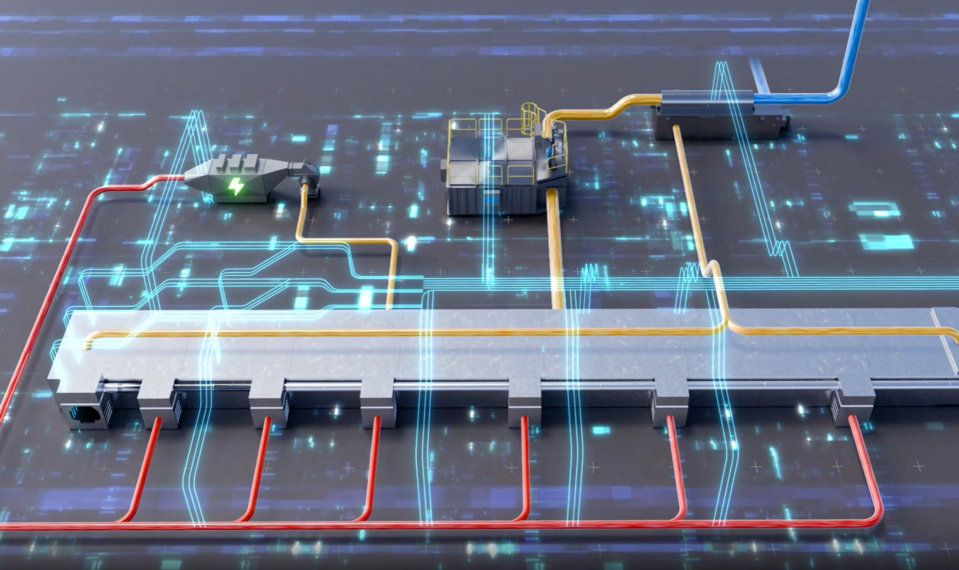
EcoQPower takes the entire energy supply of the paint shop into account. The system ensures that each process area receives only the amount of energy it needs. The innovative system makes maximum use of all available energy sources and enables complete electrification of the paint shop.
Dürr can provide above sustainable technologies suiting requirements of the OEMs enabling them to cash in on the advantages.
Amid ongoing LPG supply uncertainties and rising cost volatility, automotive manufacturers must rethink their energy strategy. Electric heating offers a reliable, efficient, and future-ready alternative—ensuring operational stability while supporting the industry’s transition toward cleaner and more resilient manufacturing.
Chandrashekar Kulkarni
National Service Manager, Dürr India Private Limited
FURTHER RELATED
ARTICLES
Eco Stories: unexpected use cases
By day, technology. By night, adventure.

EcoRS Generation 2
The standardized robot generation combines high path accuracy, reproducible seam quality, and maximum availability with reduced complexity.

How many controllable nozzles does the EcoNextJet print head have?
5,000
1,300
400
2,000
Read more
Back to Quiz
The print head has 2,000 individually controllable nozzles.